Electricity, Heating, and Cooling

Decarbonising electricity, heating and cooling is essential to achieving energy and climate objectives. ISCC certification verifies the sustainability characteristics of alternative feedstocks used in the production of electricity, heating and cooling. Bioliquids, biogas, and solid biomass derived from alternative feedstocks can be certified under ISCC.

Why Sustainable Electricity, Heating and Cooling Matters

  • Electricity, heating, and cooling are major contributors to global greenhouse gas (GHG) emissions.
  • Biogas, solid biomass and bioliquids derived from alternative materials can significantly reduce climate impacts when compared to fossil-based alternatives.
  • Reducing dependency on fossil fuels strengthens energy security and contributes to more resilient energy systems.

Applications

The following materials linked to alternative feedstocks can become certified under ISCC:

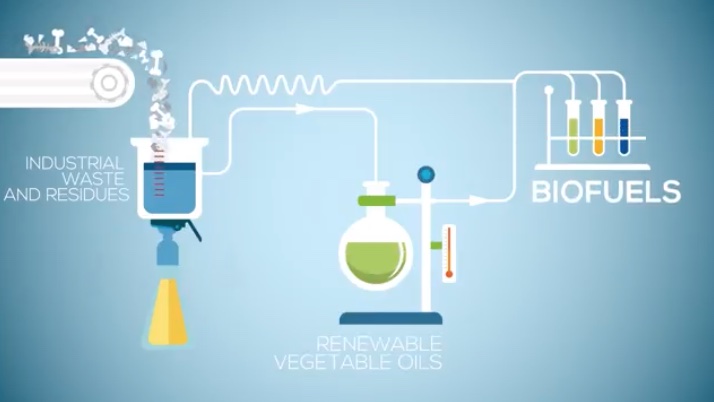
  • Bioliquids (liquid fuels for energy purposes other than transport)
  • Biogas/biomethane (gaseous fuels)
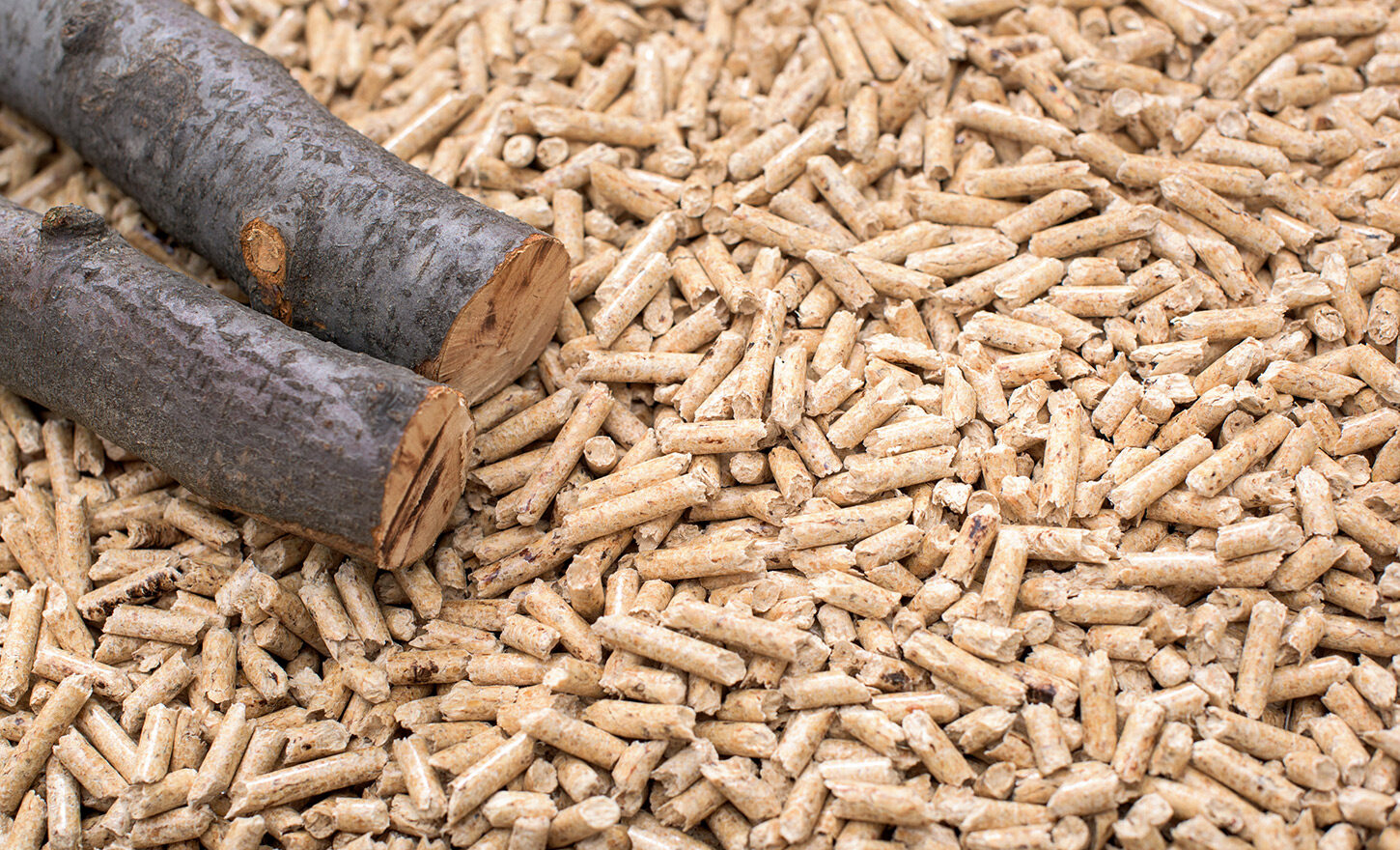
  • Solid biomass (solid fuels)

Key Benefits of ISCC Certification for Electricity, Heating, and Cooling

  • Over 15 years of experience in sustainable fuel certification
  • Compliance with EU and international legislation
  • Market access across voluntary and mandatory sectors
  • Multiple chain-of-custody options
  • Verified sustainability and traceability across the value chain

Applicable ISCC Certification Schemes

Market and Policy Drivers

Policy and voluntary frameworks are accelerating the shift to sustainable electricity, heating, and cooling: 

Renewable Energy Directive III (RED III)

The European Union’s framework establishing binding targets for renewable energy in transport, including GHG savings and eligible pathways. 

Japan’s Feed-in Tariff (FIT)

Japan’s Feed-in Tariff (FIT) scheme plays a key role in expanding renewable electricity generation by providing financial incentives for eligible biomass-based power.

Science-Based Targets initiative (SBTi) & GHG Protocol

Aligning supply chains with verified emission reduction targets and transparent carbon accounting frameworks.

Read More About How We Support the Transition to Sustainable Electricity, Heating, and Cooling